
Tiranga Barfi (Three-Colour Barfi)
A khoya barfi built in three coloured layers that fuse into one slab if each pour is timed right.
Tiranga barfi is a khoya (dried whole-milk solids) fudge cooked and coloured in three separate batches — orange, white, green — and poured one on top of the other while each layer is still warm and tacky, so they weld into a single slab instead of flaking apart when cut. Each portion is cooked on its own to a soft, glossy mass, spread in the tin, and given just a few minutes to set before the next colour goes on. Cut with a dry knife once fully chilled.
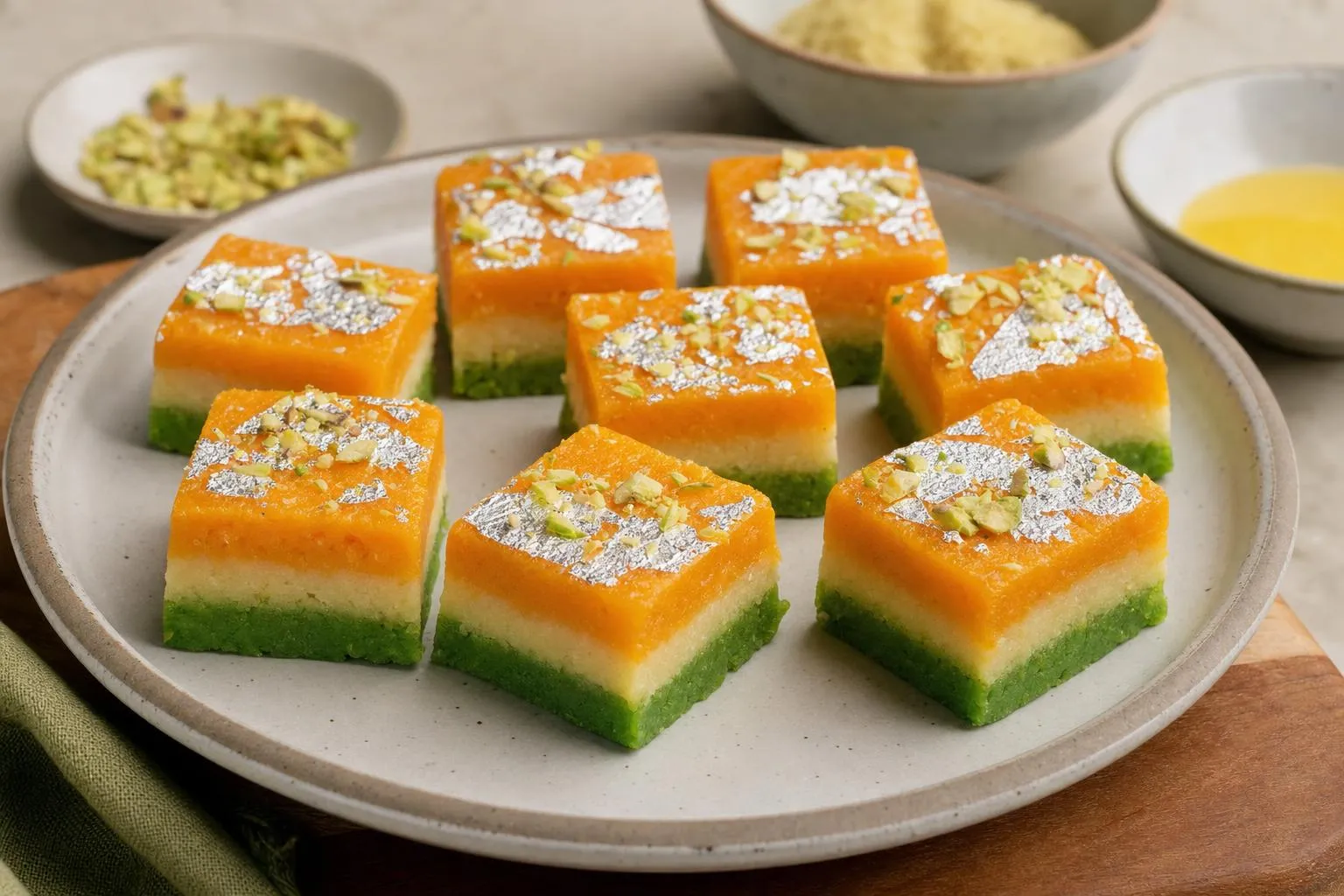
Tiranga barfi shows up every August and January, cut into neat squares that mirror the Indian flag — saffron, white, green, stacked in equal bands. It’s less a traditional family recipe and more a patriotic-occasion sweet, the kind sold in sweet shop windows around Independence Day and Republic Day. The technique underneath it, though, is proper barfi-making: reducing khoya with sugar until it just sets.
The real skill here isn’t the cooking of any single layer. It’s the timing between them. Each layer has to be spread, cooled just enough to hold its shape, and then met by the next pour while it’s still slightly soft — not wet, not fully set. Get that window wrong and you end up with three barfis stacked in a tin, not one barfi in three colours.
If you’ve made besan barfi or kaju katli before, the cooking stage will feel familiar — same business of watching the mixture thicken and pull from the sides. What’s different is the clock running three times in a row, with each pour needing to catch the last one at the right moment.
Why this works
Khoya is milk reduced down to a soft, slightly grainy solid. Cooked again with sugar, its remaining moisture drives off and the fat starts to bind the milk solids into a smooth paste. That’s what gives barfi its short, fudgy bite instead of a crumbly one.
The layers fuse because the surface of a just-set layer is still warm and slightly oily. When the next layer goes on top while that surface is tacky, the fat in both layers mixes at the boundary and they set as one continuous piece. Wait too long and that surface cools, the fat firms up, and you get a clean line with no grip — the layers will separate the moment you cut into them, the way an underbaked soan papdi sheds its flakes.
Tips
- Cook all three batches in the same pan, one after another, without washing it between batches — the residual ghee helps each new layer release cleanly and stops sticking.
- Test tackiness with a clean finger, not a spoon. Touch the surface lightly; if a faint print stays and nothing comes away on your finger, it’s ready for the next pour.
- If your kitchen runs cold, layers set faster than you can work. Cook each khoya portion on the smallest burner, a few minutes apart, so you’re never rushing a pour.
Ingredients
Tap an ingredient to cross it off as you go.
Instructions
- Grease an 8-inch square tin with ghee and line the base with parchment, leaving an overhang on two sides.
- Divide the crumbled khoya into three equal piles, about 200g each. Keep them separate.
- Set a heavy kadhai or non-stick pan on low heat. Add the first portion of khoya with one portion of sugar and 1 tbsp milk.
- Stir continuously for 5-6 minutes. The mix will loosen, then thicken back into a soft mass that leaves the sides of the pan. It should look glossy, not dry or grainy.
- Off heat, stir in the orange colour and a pinch of cardamom. Pour this into the tin and spread it in an even layer with the back of a greased spoon. Tap the tin once on the counter to level it. Let it sit 3-4 minutes, just until the surface is set but still tacky to a light touch.
- Cook the second portion of khoya the same way, leaving it plain white with a pinch of cardamom. Pour it over the orange layer while that layer is still tacky, and spread gently so you don't drag the colour through. Smooth the top and scatter the varak or almonds now if using.
- Cook the third portion with the green colour and chopped pistachios stirred in at the end. Pour over the white layer the moment it's tacky, following the same timing, and press down lightly with a flat spatula so all three layers bond.
- Let the tin cool at room temperature for 1 hour, then chill for 2 hours until firm enough to cut cleanly.
- Lift the slab out using the parchment overhang. Cut into squares or diamonds with a sharp, dry knife, wiping the blade between cuts for neat edges.
Ingredient swaps for cooks abroad
- No khoya available: simmer 2 cups whole milk powder with 1/2 cup heavy cream and 2 tbsp ghee over low heat, stirring until it comes together into a dough-like mass — use this in place of the 600g khoya.
- No food colour: use a pinch of saffron soaked in warm milk for the orange layer, and a few drops of natural spinach juice (strained, cooked out for a minute) for the green layer.
- No varak: skip it entirely, or press a few slivered almonds and pistachios onto the top layer before it sets.
- Low-fat khoya or store-bought paneer substitute: add an extra teaspoon of ghee per portion while cooking so the barfi doesn't turn crumbly.
Frequently asked questions
- What should the khoya look like when each layer is ready to spread?
- It should look glossy and come together into a single soft mass that pulls cleanly from the sides of the pan, similar to a thick dough. If it still looks like wet crumbs, it needs another minute or two of stirring over low heat.
- My layers separated when I cut the barfi — what went wrong?
- This almost always means a layer cooled and firmed up fully before the next one was poured on. The fix is to spread each layer thinly, work quickly, and pour the next colour the moment the surface turns tacky rather than waiting for it to feel fully set.
- Can I make tiranga barfi with store-bought khoya from a South Asian grocery?
- Yes — frozen khoya from an Indian or Pakistani grocery works well; thaw it fully and bring it to room temperature before cooking, since cold khoya releases water unevenly and can make the mixture split.
- How far ahead can I make this for an Independence Day or Republic Day gathering?
- It keeps well in an airtight container for 4-5 days in the fridge, or up to a week if the kitchen is warm. Bring pieces to room temperature for 15-20 minutes before serving so the texture softens back to fudgy.
- Is there a way to scale this recipe up for a crowd?
- Yes — double or triple all three colour batches but cook them in the same pan size batch by batch rather than one giant pot, since a large volume of khoya takes much longer to thicken evenly and risks scorching at the base.
You might also like
View all →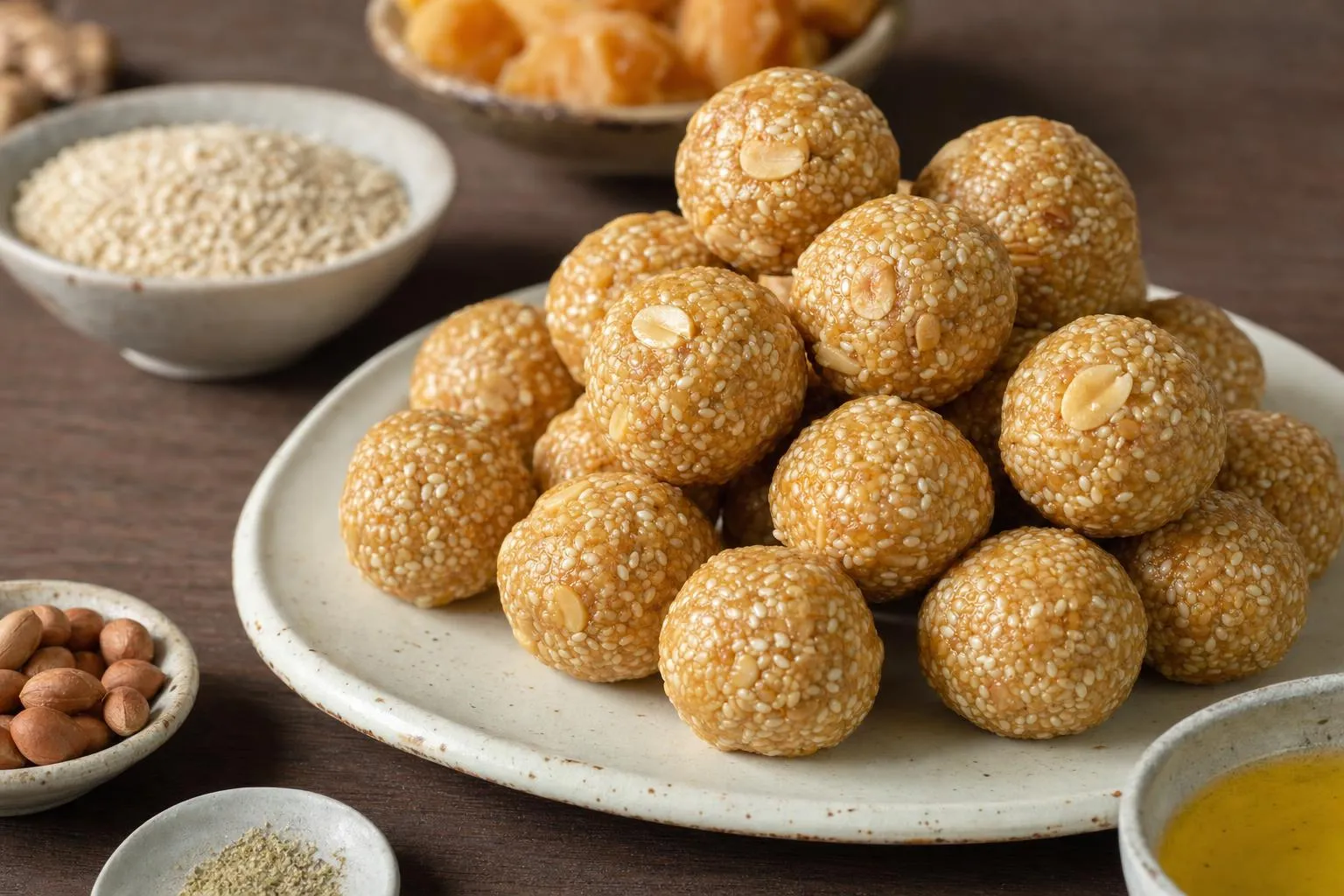 30 min
Til Ladoo (Sesame Jaggery Ladoo) for Sankranti
Toasted sesame and melted jaggery, shaped into warm balls the traditional Makar Sankranti way.
 55 min
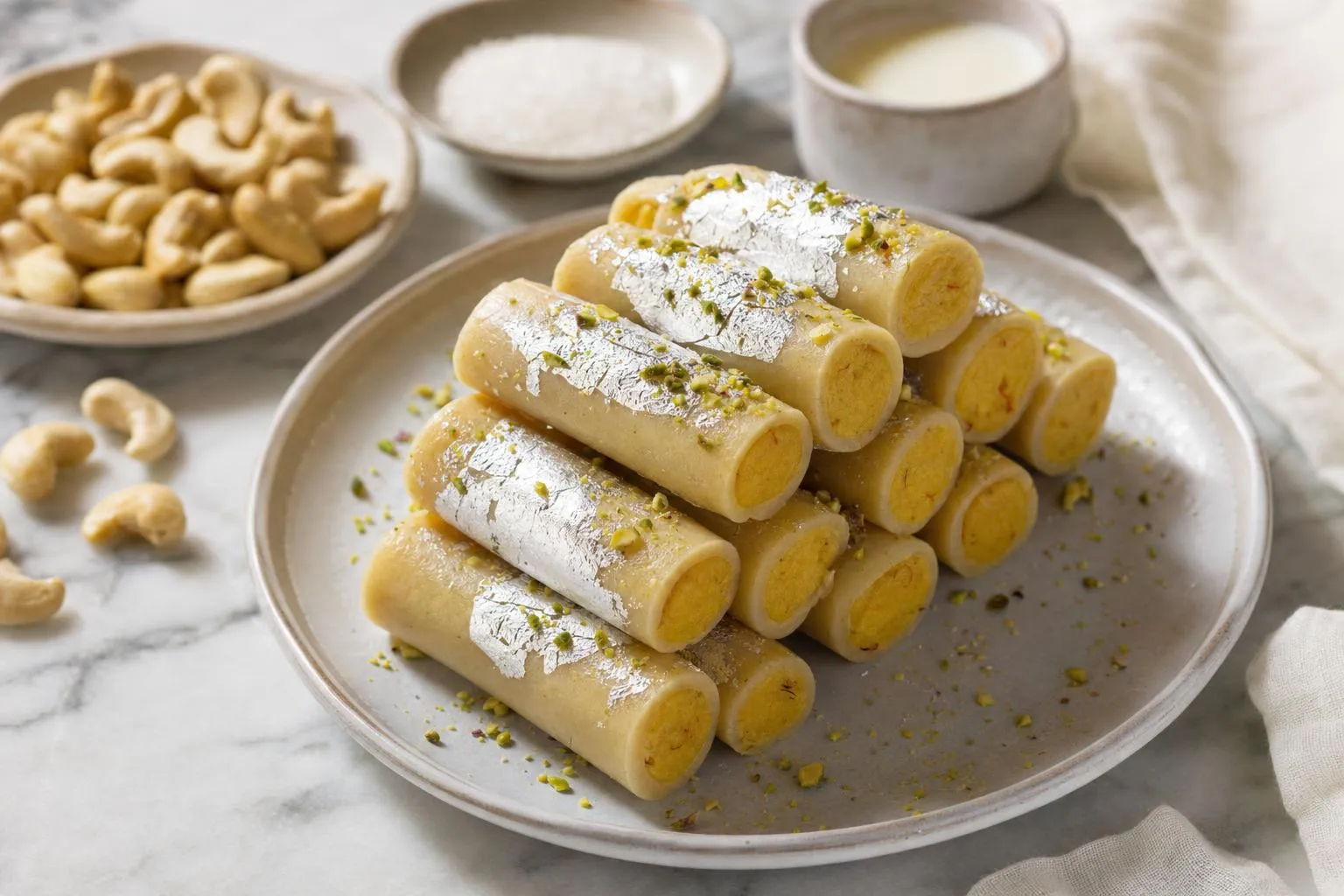
Kaju Roll (Cashew Rolls with Kesar Filling)
Thin sheets of cashew katli dough rolled around a saffron-cardamom filling, sliced into neat pinwheels.
 1 hr
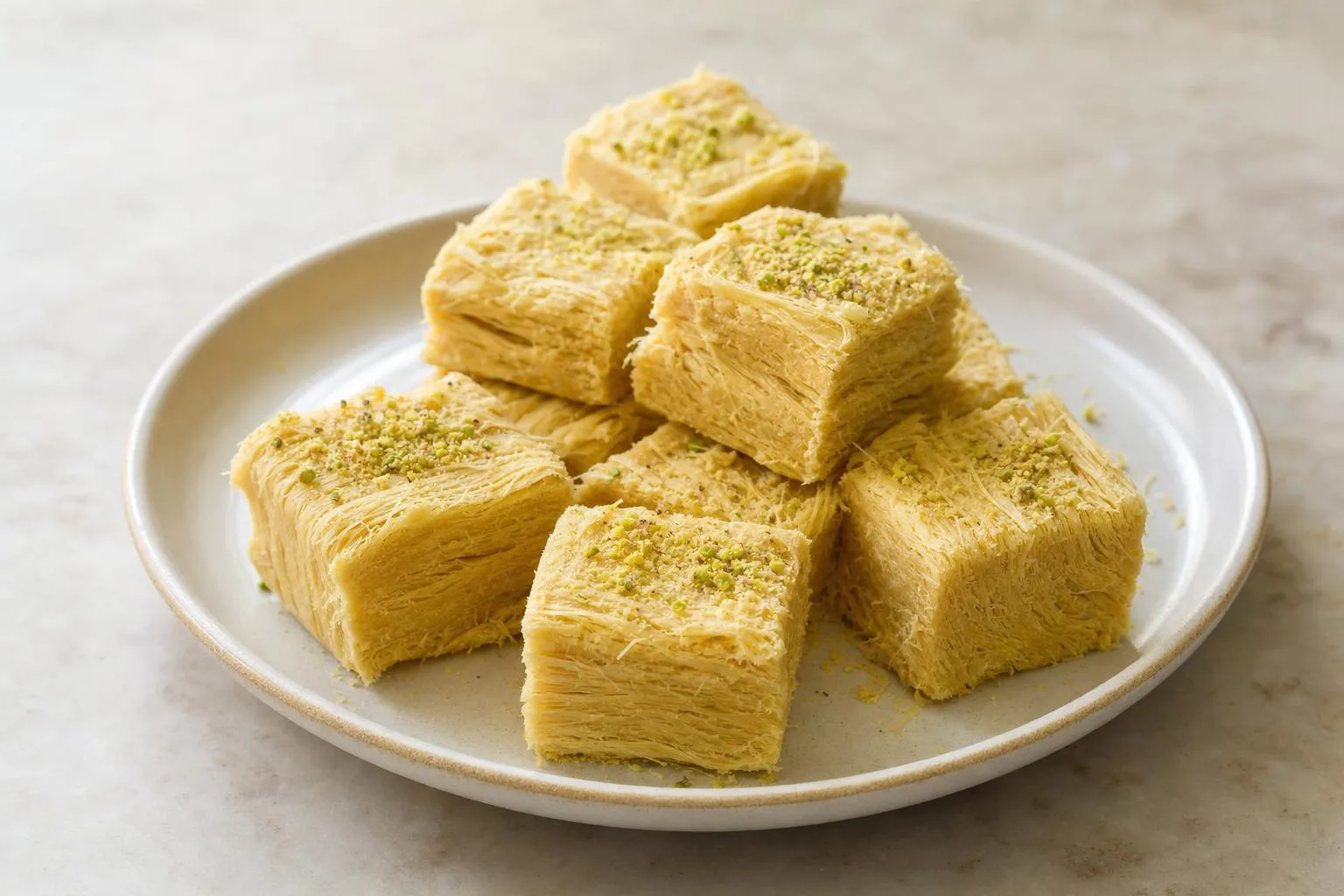
Soan Papdi at Home (Flaky Layered Mithai)
A homemade version of the tin-box classic, built on pulled sugar threads and a gram-and-chickpea flour dough.